
Casting, Gunning, Shotcreting or Ramming? Choosing a Refractory Application Method
Application techniques · Monolithics · Installation · Castables · 14 min read
Anuj Traders · Technically reviewed by Nihar Anuj Desai ·
The same castable installed four different ways gives you four different linings. Application method decides density, uniformity, waste, downtime and ultimately campaign life — often more than the choice of grade does. Here is how the methods actually compare.
Two plants buy the same low-cement castable. One vibration-casts it behind formwork; the other guns it onto the wall during a two-day window. Both linings are "the same material". They will not last the same time, because density, porosity and uniformity — the properties that actually determine slag and alkali resistance — are set by the application method, not by the bag.
The short version: cast when you can afford the formwork and the time, because it gives the densest, most uniform lining. Shotcrete when you need speed without giving up much density. Gun for repairs and awkward access. Ram plastics where thermal shock and mechanical duty are severe. Use precast shapes where the same geometry repeats or the downtime window is too short for anything else.
Figure 1 — the trade you are actually making
Density against speed on site
The methods, and what each is actually for
Vibration casting
Material is mixed to a pourable consistency, placed into formwork and consolidated with internal or external vibrators. This is the reference method: properly vibrated castable achieves the highest bulk density and lowest porosity of any field technique, and it is the condition the datasheet properties were measured in.
- Best for: new linings, thick sections, floors and hearths, walls with formable geometry, anywhere the duty is chemically aggressive.
- Costs: formwork design, fabrication and erection; the crew and the hours; a full cure and dryout on a critical path.
- Watch for: leaking forms, insufficient vibration points, over-vibration causing segregation, and cold joints between pours. Density is only realised if the vibration is real — a well-vibrated section can be several percent denser than the same material placed loosely, and that difference is most of your corrosion resistance.
Self-flowing castable
A formulation change rather than a different method: the mix is designed to consolidate under its own weight with little or no vibration. Enormously useful where vibration is impossible — congested anchor fields, thin annular gaps, around tube banks, inside pipework.
- Best for: complex, congested or inaccessible geometry that must still be dense.
- Watch for: over-vibrating it (which segregates it), and a narrow water window — self-flow grades are usually less tolerant of water error than conventional ones, not more.
Pumping
Wet mix moved by pump through a hose into formwork. Not a separate lining technology so much as a logistics solution: it gets material to places a wheelbarrow cannot go, at height, at distance, or into a vessel through a small opening.
- Best for: long conveying distances, high-level work, large continuous pours where interruption risk is the main threat to quality.
- Watch for: mixes must be pumpable grades; blockages waste a batch and create a cold joint; keep a plan for what happens when the pump stops.
Dry-process gunning
Dry material is conveyed pneumatically through a hose to a nozzle, where water is added immediately before it hits the surface. No formwork, minimal setup, very fast, and the operator can work straight onto the wall in layers — typically thin layers built up to the required thickness.
- Best for: local repairs, patching worn zones, coating, tight windows, and awkward or overhead access where formwork is impractical. Its great advantage is that it requires no on-site blending and framing, which cuts labour and equipment cost and makes it very effective for repairing local damage.
- Costs: the lowest density and highest variability of the wet methods, plus material lost to rebound — the fraction that bounces off rather than sticking, which is a real and often underestimated line item. Dust exposure needs managing.
- Watch for: water control lives entirely in the nozzleman's hand, so lining quality varies with the operator. A gunned lining is generally less dense than a cast one from the same base material — one commonly quoted comparison puts a well-vibrated cast lining several percent higher in bulk density — and lower density means higher porosity, which means poorer slag resistance and shorter life. Reserve gunning for duty where that trade is acceptable.
Wet-process shotcreting
The mix is prepared with water to a pumpable consistency, pumped to the nozzle, and a set-accelerating admixture is injected at the nozzle so the material stiffens on impact. It is the modern compromise: formwork-free like gunning, but with density and uniformity approaching casting.
- Best for: large-area relining under time pressure; vessels where formwork is uneconomic; roofs and vertical surfaces; work where consistency matters more than the last few percent of density.
- Advantages over dry gunning: water is measured at the mixer rather than judged at the nozzle, so quality is far more repeatable; markedly lower rebound and dust; better physical properties. Shotcrete methods produce more uniform quality and better physical properties than the older gunite approach and are used where high-density monolithic structures are needed.
- Costs: more equipment (pump, dosing system), a trained crew, and shotcrete-specific grades. Because it builds thickness fast and dense, dryout planning matters more, not less.
Figure 2 — the modern compromise
Wet shotcreting: formwork-free, but the water is measured at the mixer
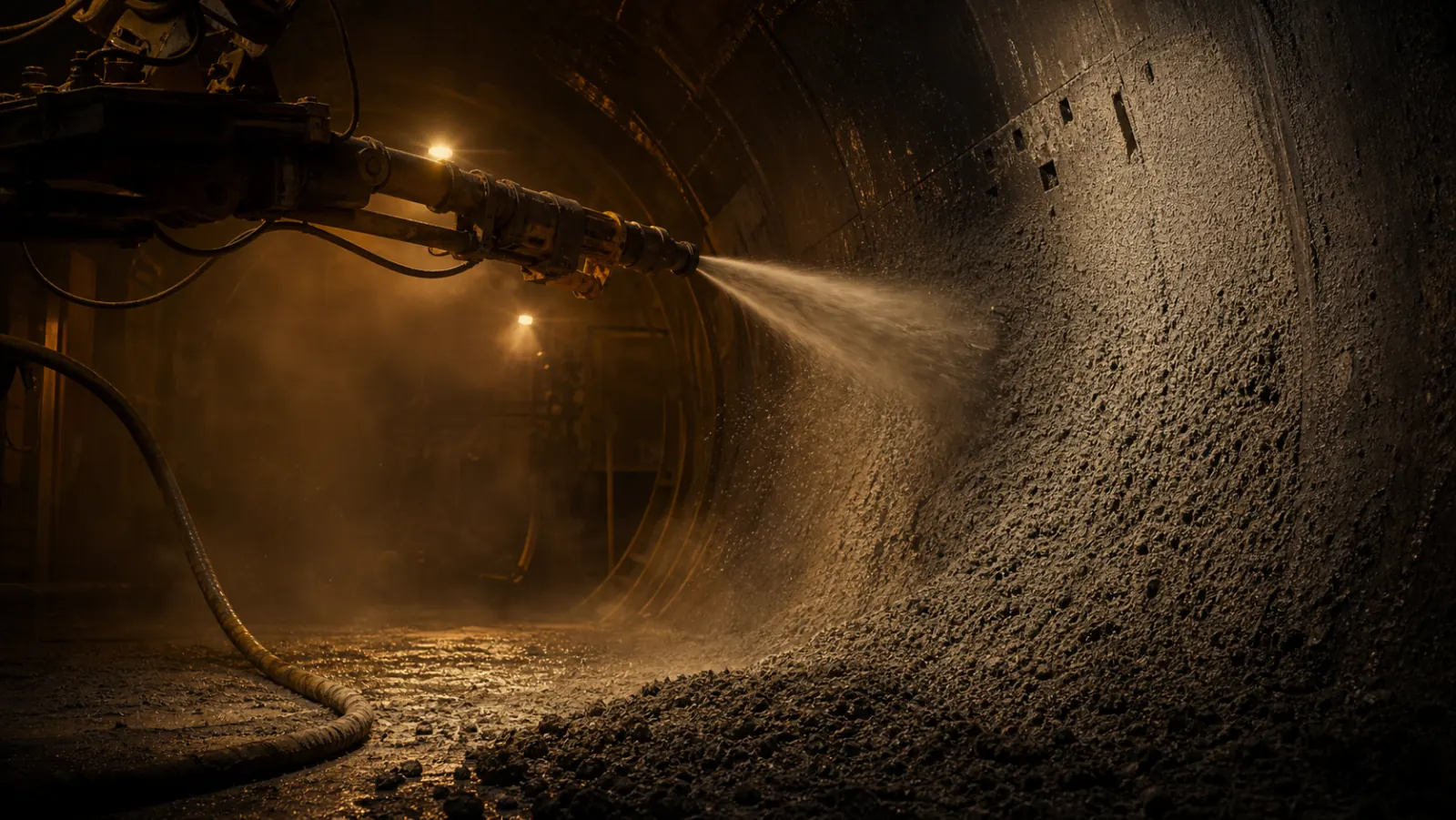
Figure 3 — the comparison people actually search for
Dry gunning against wet shotcreting
| Dry-process gunning | Wet-process shotcreting | |
|---|---|---|
| Where the water goes in | At the nozzle, judged by the operator | At the mixer, measured (the better answer for this duty) |
| Consistency of the finished lining | Varies with the nozzleman | Far more repeatable (the better answer for this duty) |
| Density and physical properties | Lowest of the wet methods | Approaching cast (the better answer for this duty) |
| Rebound and dust | Highest — rebound is a real line item | Markedly lower (the better answer for this duty) |
| Equipment and crew | Minimal setup, widely available (the better answer for this duty) | Pump, dosing system, trained nozzleman |
| Setup time to first material on the wall | Fastest of any wet method (the better answer for this duty) | Slower to rig |
| Right job for it | Local repair, patching, awkward or overhead access, very short windows | Large-area relining under time pressure where formwork is uneconomic |
Ramming (plastic refractories and ramming mixes)
Stiff, pre-mixed material — plastic refractory supplied ready to use, or dry ramming mass — is compacted into place with pneumatic rammers against a former or backing. Compaction is what develops the properties, so the ramming effort is part of the specification.
- Best for: burner blocks and quarls, tap holes and spouts, induction furnace linings, high-abrasion and severe thermal-cycling duty, and complex geometry that would be hard to cast.
- Advantages: typically excellent thermal shock resistance and no hydraulic bond water to remove in the same way as a castable; can often be brought up to temperature more directly (per the specific product's schedule).
- Watch for: ramming is labour-intensive and quality is operator-dependent; under-compacted plastic is porous and weak. Vent holes are commonly required in thicker sections, and plastics still need a controlled heat-up.
Troweling and patching
Hand application of mouldable or trowelable material for small repairs, joints, skim coats and infill. Fast, cheap, no equipment.
- Best for: small areas, filling around anchors and penetrations, cosmetic and interim repairs between shutdowns.
- Watch for: hand-applied material is the least dense and least uniform option available. A trowelled patch is a planned temporary measure, not a substitute for a proper repair — and a patch is a fresh monolithic section that needs its own cure and dryout.
Precast and prefired shapes
Sections cast, cured, dried and often prefired in a controlled shop, then bolted or set in place on site.
- Best for: repeating geometry (burner blocks, ports, tiles, roof sections), extremely short shutdown windows, and anything where field conditions cannot be controlled well enough to trust a field pour.
- Advantages: shop-quality density and dimensional accuracy; almost all of the cure and dryout time moves off the critical path.
- Watch for: joints between shapes are the weak line, so joint design and mortar selection matter; precast pieces need lead time; and where a precast piece does need drying, it generally requires a longer schedule than field-cast material of the same mix — one published figure puts precast spalling risk from around 290 °C.
Brick and shaped-refractory laying
Still the right answer for a great deal of duty: rotary kilns, glass tank superstructure, coke ovens, hot blast stoves, boiler walls, and any place where a proven brick quality outperforms an equivalent monolithic. Quality lives in the joints — thin, fully filled, correct mortar grade — and in expansion allowance.
Fibre lining: blanket, module, board
A different discipline entirely. Blanket is layered and pinned; modules are compressed, folded and fastened to the shell, then released to expand against each other; board and calcium silicate are cut and fitted as backup insulation.
- Best for: low thermal mass linings, cyclic furnaces, backup insulation, hot face in low-abrasion duty, and rapid installation.
- Watch for: gas velocity and erosion limits at the hot face, staggered joints between layers so heat cannot leak straight through, not over-compressing soft layers to absorb dimensional errors, and correct handling and PPE.
Selection matrix
| Method | Achievable density | Uniformity | Speed | Material waste | Formwork | Typical use |
|---|---|---|---|---|---|---|
| Vibration casting | Highest | High | Slow | Low | Required | New dense linings, hearths, aggressive duty |
| Self-flow casting | High | High | Medium | Low | Usually required | Congested anchors, thin gaps, inaccessible sections |
| Pumping | High (as cast) | High | Medium–fast | Low | Required | Distance, height, large continuous pours |
| Wet shotcreting | Medium–high | Medium–high | Fast | Low–medium | None | Large relines under time pressure |
| Dry gunning | Lowest of the wet methods | Operator-dependent | Fastest | Highest (rebound) | None | Local repair, patching, awkward access |
| Ramming (plastics) | High when well compacted | Operator-dependent | Slow | Low | Former/backing | Burner blocks, tap holes, severe cycling and abrasion |
| Troweling | Low | Low | Fast | Low | None | Small patches, infill, interim repair |
| Precast shapes | Highest (shop-made) | Highest | Fastest on site | Low | Shop only | Repeating geometry, minimal shutdown |
| Brick laying | n/a (fired product) | High | Medium | Low | None | Kilns, glass, coke ovens, boiler walls |
| Fibre blanket/module | n/a | Medium | Fast | Low | None | Low thermal mass, cyclic duty, backup insulation |
The five questions that decide the method
Figure 4 — start with the honest answer
How long is the shutdown window?
Pick the window you actually have
Cast it
Enough room for formwork, a continuous pour, a full cure and a real ramp-and-hold dryout. Take it — vibration casting gives the densest, most uniform lining of any field method, and aggressive slag, melt or alkali duty rewards that density disproportionately.
Use the time on the dryout rather than on the pour. The pour is the short part.
Shotcrete, or cast in phases
Wet shotcreting covers large areas fast, needs no formwork, and gives density and uniformity approaching cast. The cost is equipment and a trained nozzleman.
The trap is that shotcrete builds thickness quickly and densely, so the dryout requirement does not shrink with the installation time. Plan the schedule against the thickness, not against the calendar.
Precast shapes
Most of the work — the pour, the cure, most of the dryout — happens in a shop, off your critical path. Bolt or set the pieces in place and go.
The trade-offs are lead time, and the joints between shapes: joint design and mortar selection are where a precast lining lives or dies. Where a precast piece still needs drying, it generally needs a longer schedule than field-cast material of the same mix.
Gun or trowel it, and plan the real repair
For a local defect on a lining that is otherwise sound, dry gunning is the correct engineering answer: no formwork, no blending, straight onto the wall.
Be clear with yourself about which it is. A trowelled patch is a planned temporary measure — and it is still a fresh monolithic section that needs its own cure and dryout, on the same schedule as if the whole lining were new.
- How long is the shutdown, honestly? If the window cannot accommodate cure plus dryout, the decision is already made: precast, shotcrete, or a phased repair. Pretending otherwise produces a rushed dryout, which produces the failure discussed in the dryout guide.
- How aggressive is the duty? Aggressive slag, melt or alkali contact rewards density disproportionately. That pushes towards casting or precast and away from gunning.
- Can formwork physically be built there? Congested anchor fields, tube banks, overhead work and small access hatches push towards self-flow, shotcrete or gunning.
- Is the geometry repeated? If yes, precast almost always wins on both cost and quality over the second or third installation.
- Who is doing the work, and with what equipment? A method the available crew cannot execute well is worse than a nominally inferior method they can. Wet shotcreting with an untrained nozzleman is not better than competent casting.
A note on cost per campaign, not cost per tonne
Gunning usually looks cheapest on the quotation: no formwork, fewer hours, faster back to production. Add rebound loss, add the lower density, add the shorter campaign, then divide by months of service. Casting or precast frequently wins on that arithmetic — and shotcreting exists precisely because it wins on it more often than gunning does.
The honest exception: for a genuinely local repair on a lining that is otherwise sound, gunning is the correct engineering answer, not a compromise.
What to send us to specify a method
Figure 5 — before the material is ordered
What we need to specify a method
Have the method conversation before the material is ordered: a mix formulated for casting does not gun, and a gunning grade cast into formwork wastes its own advantages.
The job
The duty
What is physically possible
We supply grades formulated for each route — conventional and low-cement vibration-cast castables, insulating castables, plastic refractories for ramming, mortars and grouting cements — and it is worth having the method conversation before the material is ordered, because a mix formulated for casting does not gun, and a gunning grade cast into formwork wastes its own advantages.
FAQs
Is gunning as good as casting refractory?
Not in terms of the finished lining. Gunning is faster and needs no formwork, but a gunned lining is generally less dense and less uniform than a well-vibrated cast lining of the same base material, and lower density means higher porosity and poorer resistance to slag and alkali penetration. Gunning's right place is repair work, awkward access and short windows.
What is the difference between gunning and shotcreting?
Gunning (dry process) conveys dry material and adds water at the nozzle, so the water ratio is controlled by the operator. Shotcreting (wet process) mixes the material with water at the mixer, pumps it wet, and injects a set accelerator at the nozzle. Wet shotcreting gives more consistent quality, better physical properties and much less rebound and dust.
When should I use precast refractory shapes instead of casting on site?
When the geometry repeats, when the shutdown window is too short for cure and dryout, or when site conditions cannot be controlled well enough for a reliable pour. The trade-offs are lead time and the joints between shapes.
Do plastic refractories need dryout like castables?
They still need a controlled heat-up and commonly need vent holes in thicker sections; the mechanism differs from a hydraulic-bonded castable but the risk of damaging the lining with a fast ramp does not disappear. Follow the specific product's schedule rather than assuming plastics are forgiving.
Which application method is fastest?
On site, precast shapes — most of the work happened elsewhere. Of the field methods, dry gunning is fastest to start and shotcreting is fastest for covering large areas well. Remember that "fastest to install" and "fastest back into service" are different questions, because cure and dryout dominate the second.
Can one castable be used for casting, gunning and shotcreting?
Generally no. Gunning and shotcreting grades are formulated for their conveying and setting behaviour — particle sizing, water demand and accelerator response. Using a casting grade in a gun typically produces excessive rebound and poor build-up. Ask for the grade matched to the method.
Anuj Traders supplies refractory materials and application support from Ahmedabad, as an authorised dealer and distributor for Calderys, Unifrax and Shubh Ceramics. Tell us the vessel, the window and the access, and we will quote the material for the method that fits — including when the right answer is a precast shape instead of a bag.
Products referenced
Where this applies
Services
Sources
- What are Monolithic Refractory Products? — Saint-Gobain: https://www.ceramicsrefractories.saint-gobain.com/news-articles/what-are-monolithic-refractory-products
- State-of-the-Art Refractory Shotcrete Techniques — Shotcrete Magazine (ASA): https://shotcrete.org/wp-content/uploads/2020/01/Spr08_ShotcreteCorner.pdf
- Development of Shotcreting Castable — NIT Rourkela thesis: http://ethesis.nitrkl.ac.in/4867/1/211CR1268.pdf
- Gunning vs Casting Refractories: Installation Method Comparison — Shanker Agencies: https://www.shankeragencies.com/blog/gunning-vs-casting-when-to-use
- Installation of Monolithic Refractory and Resulting Properties — Becht: https://becht.com/becht-blog/entry/installation-of-monolithic-refractory-and-resulting-properties/
Keep reading